INTRODUCTION:
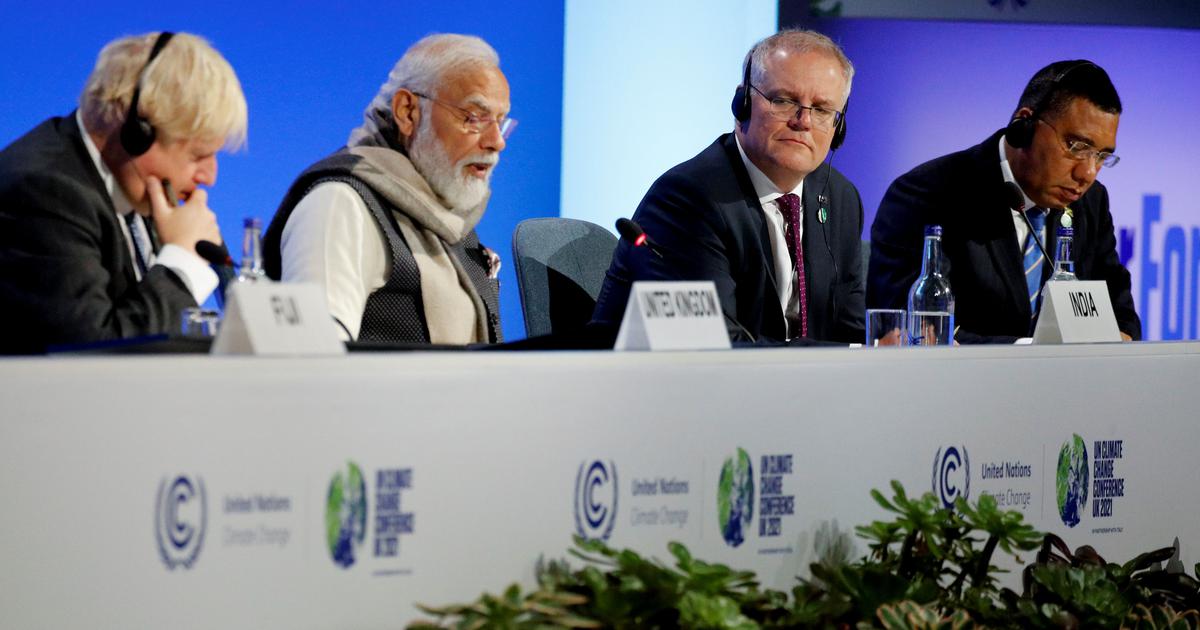
Climate change is one of the most pressing challenges of our time, posing a threat to our planet and future generations. International cooperation is crucial to mitigate and adapt to the impacts of climate change, and the Group of Twenty (G20) plays a vital role in facilitating global collaboration. Under India’s leadership, the G20 has the potential to spearhead a transformative and inclusive approach to tackling climate change. This essay explores how India’s leadership in the G20 can enhance the global fight against climate change, focusing on key areas such as renewable energy, sustainable development, and international cooperation.
Renewable Energy Transition:
India has significantly promoted renewable energy sources, particularly solar and wind power. As the leader of the G20, India can inspire and encourage other member nations to accelerate the transition away from fossil fuels and adopt clean energy technologies. By sharing its experiences, best practices and providing technical assistance, India can help other countries develop and implement effective renewable energy policies.
Sustainable Transport:
India can prioritize sustainable transport solutions and advocate adopting electric vehicles (EVs) and public transportation systems among G20 members. Encouraging the development of EV infrastructure and supporting research and development in sustainable transport can significantly reduce carbon emissions from the transportation sector.
Climate Finance:
India’s leadership can emphasize the importance of climate finance and encourage G20 countries to fulfill their commitments to provide financial assistance to developing nations. This can help vulnerable countries adapt to climate change, build resilience, and transition to low-carbon economies.
Climate Adaptation and Resilience:
India, being highly vulnerable to climate change impacts, can promote discussions and initiatives on climate adaptation and resilience within the G20. This includes sharing best practices, developing early warning systems, and investing in climate-resilient infrastructure to minimize the adverse effects of climate change.
Circular Economy and Sustainable Consumption:
India can advocate for adopting circular economy principles and sustainable consumption patterns among G20 nations. This involves reducing waste, promoting recycling and reuse, and encouraging sustainable production practices to minimize resource consumption and environmental degradation.
Encouraging Ambitious Climate Targets:
As the G20 leader, India can encourage member countries to set ambitious climate targets in line with the Paris Agreement. This includes commitments to reduce greenhouse gas emissions, increase renewable energy capacity, and support the transition to a low-carbon economy.
By leveraging its leadership position within the G20, India can play a crucial role in shaping global climate action and driving collective efforts to mitigate climate change. Collaboration, knowledge sharing, and concerted action among G20 nations can lead to more effective and comprehensive solutions to combat climate change at a global scale.
Strengthening Resilience and Adaptation:
Climate change impacts are already being felt globally, and adaptation measures are essential to build resilience. With its diverse geography and experience in managing climate risks, India can highlight the importance of adaptation within the G20 agenda. The G20 can support developing countries in enhancing their adaptive capacities through financial assistance, knowledge sharing, and technical support. It can also facilitate the exchange of best practices and lessons learned in building resilience against climate-related disasters, such as floods, droughts, and extreme weather events.
Encouraging Sustainable Consumption and Production:
The G20 can be crucial in promoting sustainable consumption and production patterns. India can lead efforts to encourage resource efficiency, circular economy practices, and sustainable lifestyles within its member states. By collaborating with businesses, civil society, and consumers, the G20 can drive the shift towards sustainable production processes, reduce waste generation, and promote responsible consumption. This can be achieved through policies such as incentives for sustainable practices, awareness campaigns, and the development of sustainable business models.
Addressing Climate Equity and Justice:
India can emphasize the importance of climate equity and justice within the G20 framework. Recognizing that vulnerable communities and developing countries are disproportionately affected by climate change, India can advocate for fair and inclusive solutions prioritizing the needs of the most vulnerable. This includes supporting adaptation efforts, providing financial assistance to developing nations, and ensuring access to climate-friendly technologies. By promoting equity and justice, the G20 can foster a sense of global responsibility and solidarity, ensuring that the burden of climate action is shared equitably.
Conclusion:
India’s leadership has a unique opportunity to galvanize global efforts against climate change through the G20. By prioritizing sustainable development, strengthening global climate governance, promoting technology transfer, and fostering international cooperation, the G20 can lead the world toward a more sustainable, resilient, and low-carbon future. However, collective action must extend beyond the G20 and encompass the entire international community. Governments, businesses, civil society, and individuals must work together to combat climate change. Every nation must play its part regardless of size or economic status. By harnessing the collective will and leveraging the diverse strengths of its member states, the G20 can inspire transformative change, mitigate the impacts of climate change, and secure a prosperous future for all.